Marketing
How to Start a Video Podcast in 2026: 7 Tips From Our Studio
A podcast used to be a microphone and a quiet room. In 2026 it’s a video set — and that changes everything about how a brand should approach it.
The numbers are hard to ignore: 84% of podcast listeners now engage with video, around 70% use YouTube to watch or listen, and Deloitte expects podcast ad revenue to hit roughly $5 billion this year. For a studio like ours, that’s not a trend — it’s a service line. Here’s the advice we actually give clients before they press record.
1. Lock the concept before the gear
The fastest way to stall a podcast is to start by shopping for equipment. Decide the one thing your show is about, who it’s for, and how often you’ll publish. A focused 20-minute show you can sustain weekly beats a sprawling format you abandon after episode four.
2. Your room matters more than your microphone
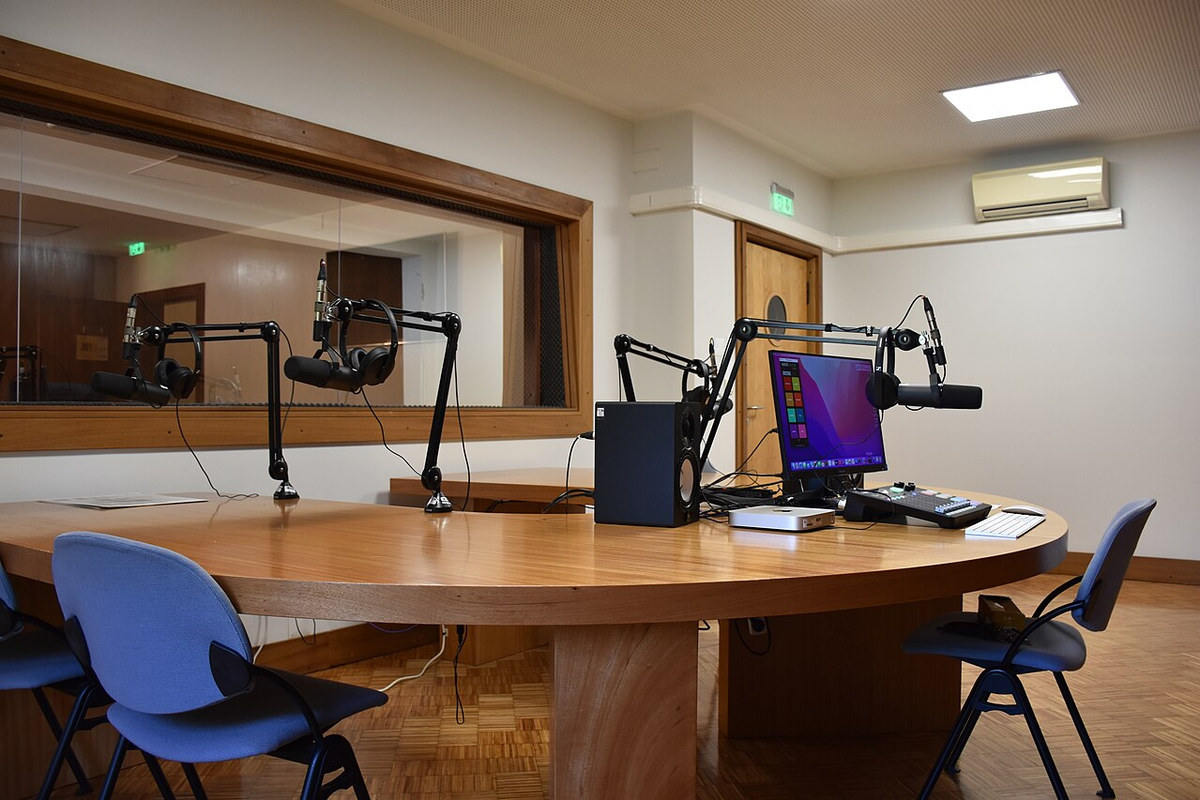
This is the tip people resist the most, and it’s the truest. A quiet, soft-furnished space will do more for your sound than an expensive mic in a room full of echo. Blankets, curtains, a rug, a few acoustic panels — a medium room (around 10×12 ft) treated well beats a big empty one every time.
3. Use a dynamic mic — and get close to it
For voice in a real-world room, a dynamic microphone is the right tool: it rejects background noise and rewards good technique. You don’t need a $1,500 rig. The honest truth is the gap between a $150 and a $1,500 setup matters far less than mic placement and a quiet room. Get within a fist’s distance, use a pop filter, and monitor with closed-back headphones.
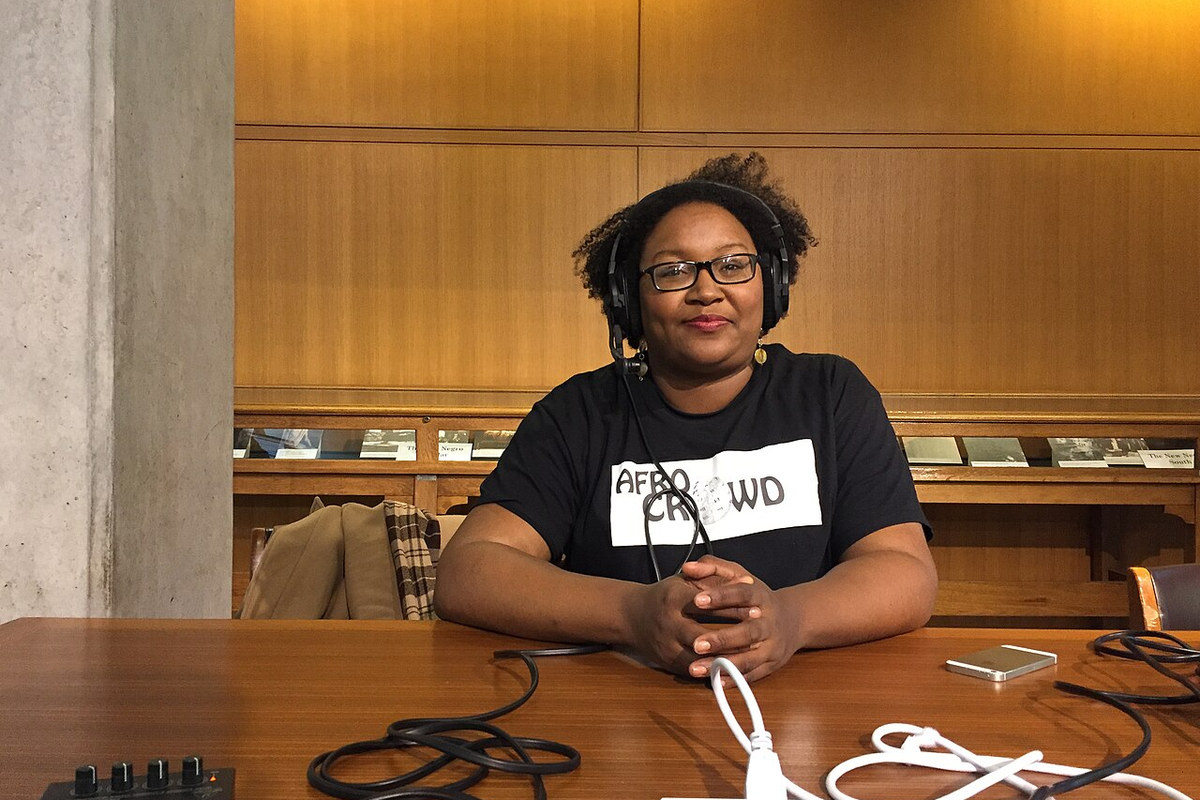
4. Shoot it like television, not a webcam
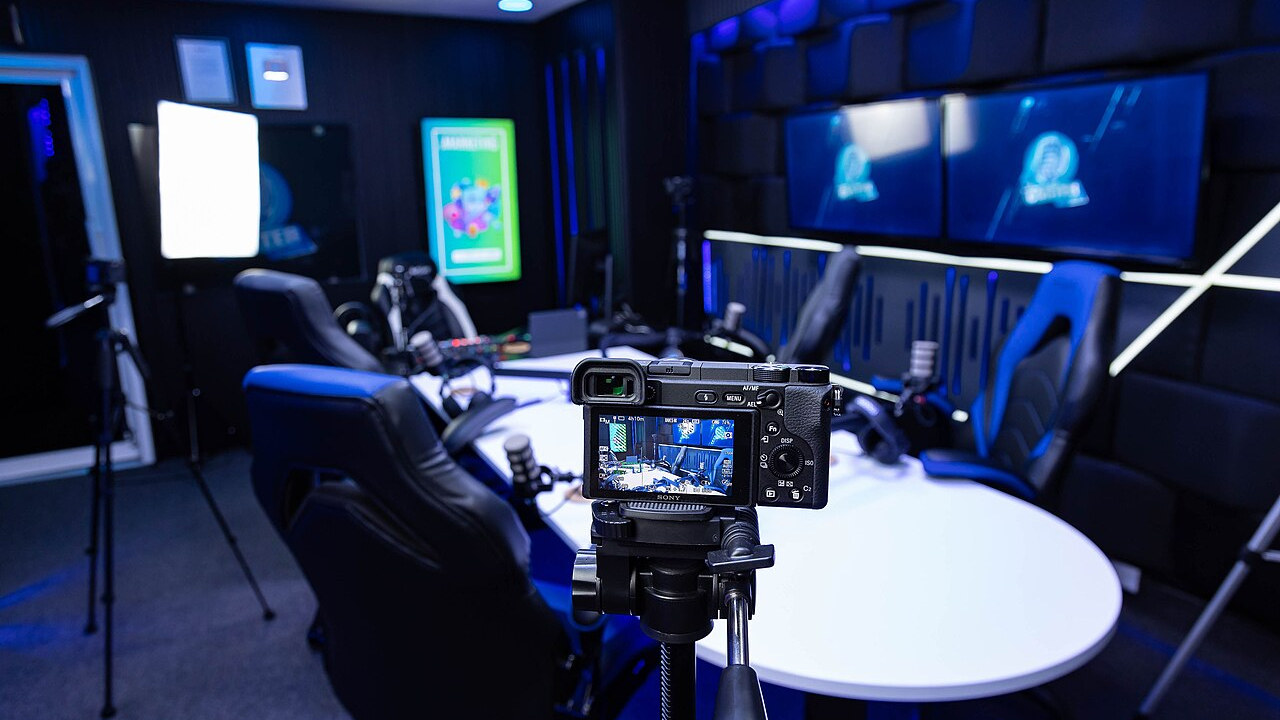
The grace period for “good enough” video is over. Shows that stand out in 2026 treat their episodes like premium broadcast — intentional lighting, more than one camera angle, and pacing that earns the viewer’s attention. You don’t need a Hollywood budget; you need a deliberate look that signals the content is worth watching.
5. Record once, publish everywhere
The real leverage of video podcasting is distribution. One recording session should feed YouTube, Spotify, Apple Podcasts, and a stream of vertical clips for Instagram, TikTok and LinkedIn. Plan the multi-platform cutdown before you record, not after — it changes how you frame and pace the conversation.
6. Edit for attention, not perfection
Cut the tangents, the long pauses and the filler words, then level the loudness so every voice sits at a consistent volume. AI cleanup tools handle the tedious leveling and noise reduction; your job is to protect the pacing. Tight beats polished.
7. Treat it as a brand asset, not a hobby
The brands winning with podcasts in 2026 aren’t selling on the mic — they’re building trust. A branded show gives your founder or in-house experts a value-first platform, so when a prospect is finally ready to buy, you’re the name they already know.
How we’d produce it at JPics Studio
- Set design + lighting so your show looks like a broadcast from episode one.
- Multi-camera capture with synced audio, built for clean cutdowns.
- Social-first editing — the full episode plus a batch of vertical clips from a single session.
A video podcast is one of the most efficient brand assets you can build right now: one room, one afternoon, content for a month.
Thinking about launching a show for your brand? Let’s talk.
Sources: Deloitte — Video podcasts reach, Podbean — Video Podcast Statistics 2026, Buzzsprout — How to Start a Podcast, The Podcast Consultant — Equipment Guide.
Image credits: Cover — Elcasterstudio, CC0. Studio — Ajcosta, CC BY-SA 4.0. Recording — Sebastian Wallroth, CC BY 4.0. All via Wikimedia Commons.